Green spaces for wellbeing
Bringing people and the natural world together.
The human connection to green spaces
Across the UK, many communities do not have equal access to nature, green space, or cultural heritage. As towns and cities grow, links to the natural world can weaken. This affects physical health, mental wellbeing, biodiversity, and people's sense of place.
There’s also a growing understanding that environmental resilience, community wellbeing, and nature recovery are linked. These challenges cannot be solved alone. We need new approaches that bring together communities, culture, heritage and the environment. This helps create healthier, more connected places where both people and nature can thrive.
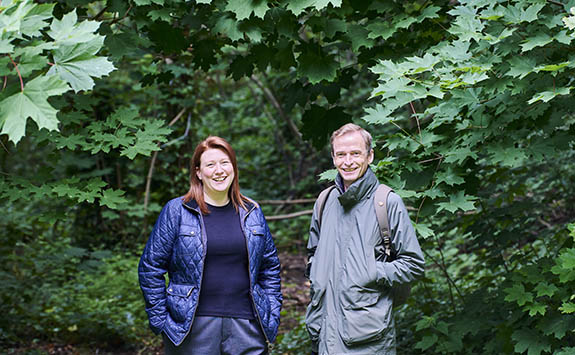
Green Corridors North East
We’re helping lead one of the UK's most ambitious place-based regeneration programmes.
Green Corridors North East is a £3 million initiative transforming green spaces across Gateshead, Durham, and South Tees. It is delivered by Newcastle, Teesside and Durham Universities, the National Trust, and many local authorities and community organisations.
The project connects people with nature, heritage and culture while improving health, wellbeing and biodiversity through three major green corridors:
- Tyne Derwent Way in Gateshead – a nine-mile route for walking, cycling, running and exploring. It follows the Tyne and Derwent rivers, linking attractions including Gateshead Riverside Park, Dunston Staiths and Gibside.
- Durham City Green Corridor – a 1,000-hectare route that connects long-distance walks in the area with Durham city centre and key natural and heritage sites including Finchale Priory.
- Tees to Topping in South Tees – connecting Middlesbrough and the Tees Estuary with Roseberry Topping and the North York Moors. It brings together communities with major natural and cultural assets, such as Ormesby Beck, Stewart Park, Ormesby Hall, Flatts Lane Country Park, and Guisborough Forest.
The project is funded by the Arts and Humanities Research Council through one of its three Mission Awards. It uses an interdisciplinary team convening model to deliver more than 25 co-created research projects. Each venture brings together researchers, local organisations, and communities to explore heritage and history, culture and creativity, nature and natural heritage, and community learning and evaluation.
By bringing together universities, public bodies, charities and local communities, the programme is developing innovative approaches to environmental and cultural stewardship.